

For residential buildings and other sites

Racks your riders can trust.

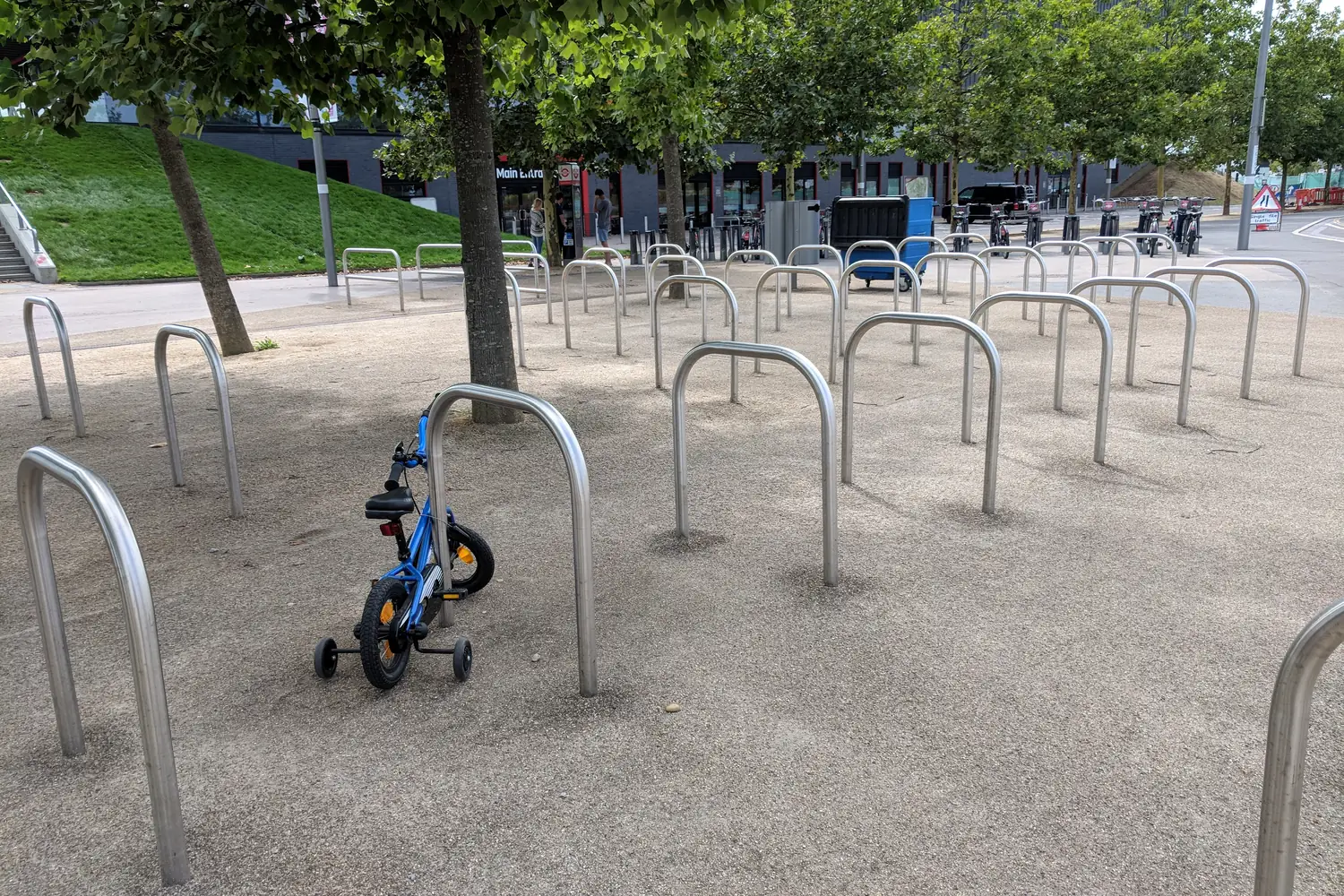
Rows of empty steel hoop racks outside a London arena, with one child’s bike locked to a single rack.
Trials with
  • Queen Elizabeth Olympic Park
  • Westfield Stratford City
  • Tel Aviv-Yafo
See the evidence
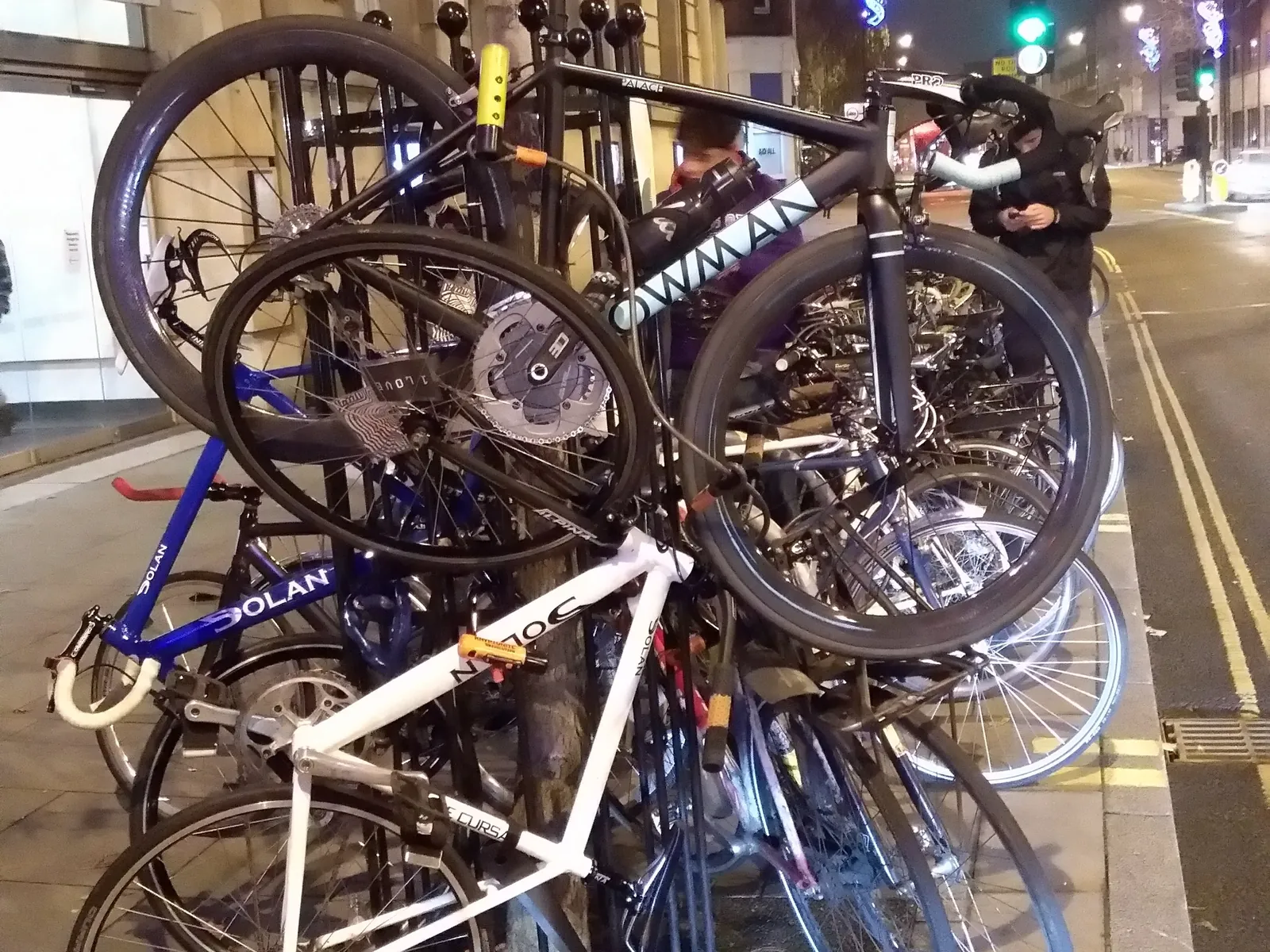
Bikes piled up and locked to each other on a crowded pavement rack at night.

What changes for you

  • Fewer complaints

    Bikes come out of hallways and stairwells, and fewer theft reports land on your desk.

  • No disruption to install

    Nothing to dig, nothing to wire, no area closed off for weeks.

  • Cost saving

    Around 70% less infrastructure cost than building new.

  • Usage data for your reports

    See how the parking is used, in a form you can put in front of a board or a funder.

How it works

  • Retrofit your racks

    Each dock fits to an existing rack.

  • About ten minutes

    That is roughly how long one dock takes to fit.

  • Off-grid

    No mains connection. A year of runtime per charge.

The full specification

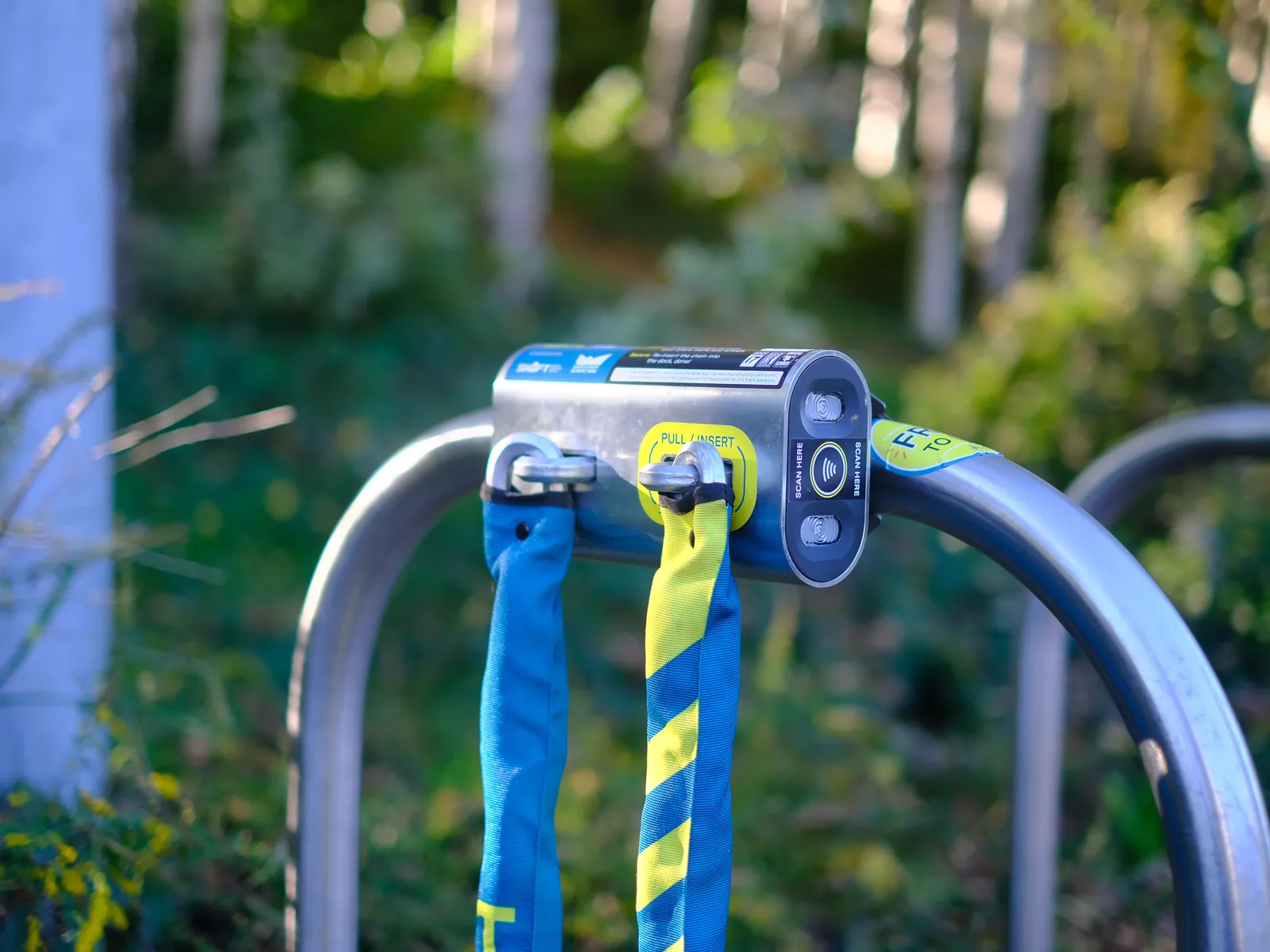
Close-up of a Mosa dock on a steel hoop rack, its two locking chains hanging free, with no cables.

Three ways it gets paid for

In residential buildings it usually starts with the residents.

  • Usually where it starts

    Resident-funded

    Residents or users pay for a secure space, so the parking can cost the site little or nothing.

  • Organisation-funded

    The landlord, housing provider or site owner funds it as a service to the people who use it.

  • Public infrastructure

    Part of a council or public scheme, alongside the racks and suppliers already in place.

Where it has worked

Queen Elizabeth Olympic Park with Westfield Stratford City

Westfield Stratford City and the Olympic Park welcome millions of visitors, many by bike. The space owners there wanted secure parking that riders would trust, without civil works and without any risk to their reputation.

We retrofitted docks onto their existing racks across retail, transport and venue sites, and improved the service while it ran. Trust is the product: adoption climbed as soon as riders understood what the dock was and how to use it.
Read the case study

What happens next

What happens after you get in touch

No obligation at any step.

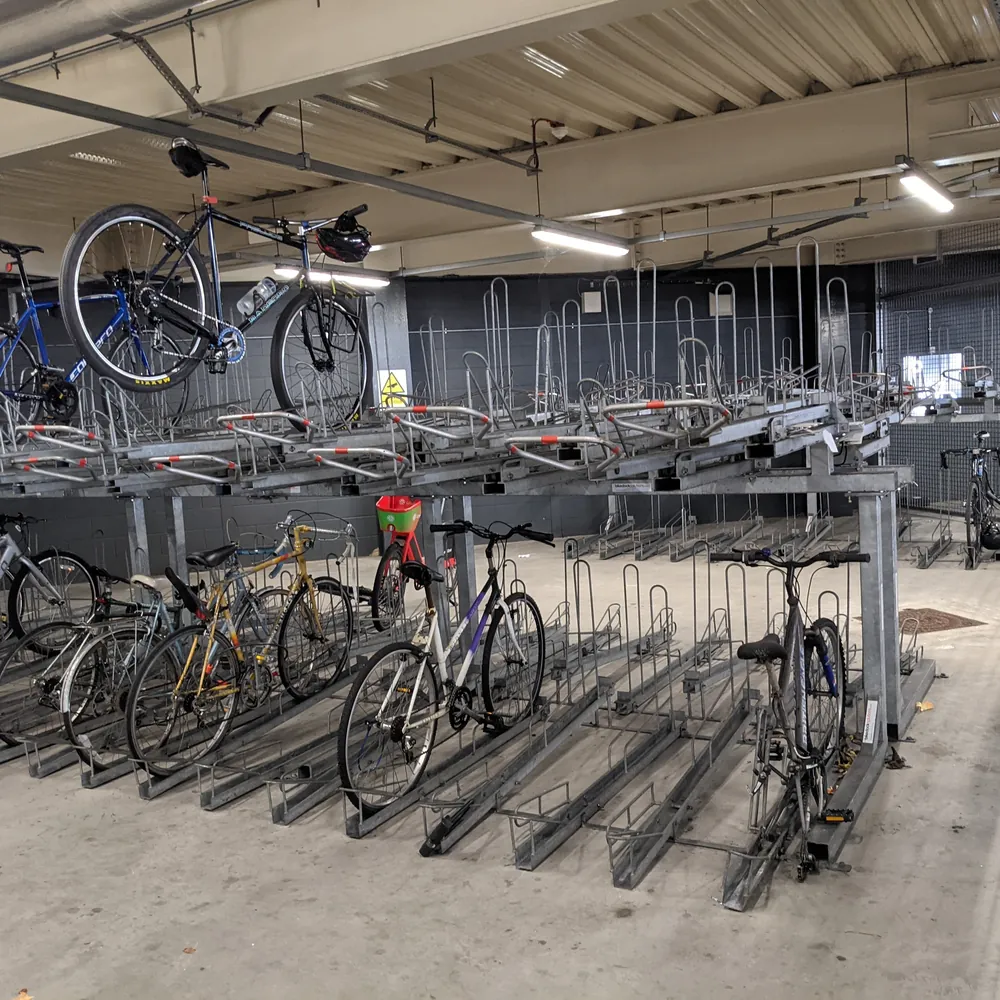
  1. A covered communal bike store with two-tier racks and residents’ bikes.

    A site assessment

    We look at your racks, your site and who would use it.

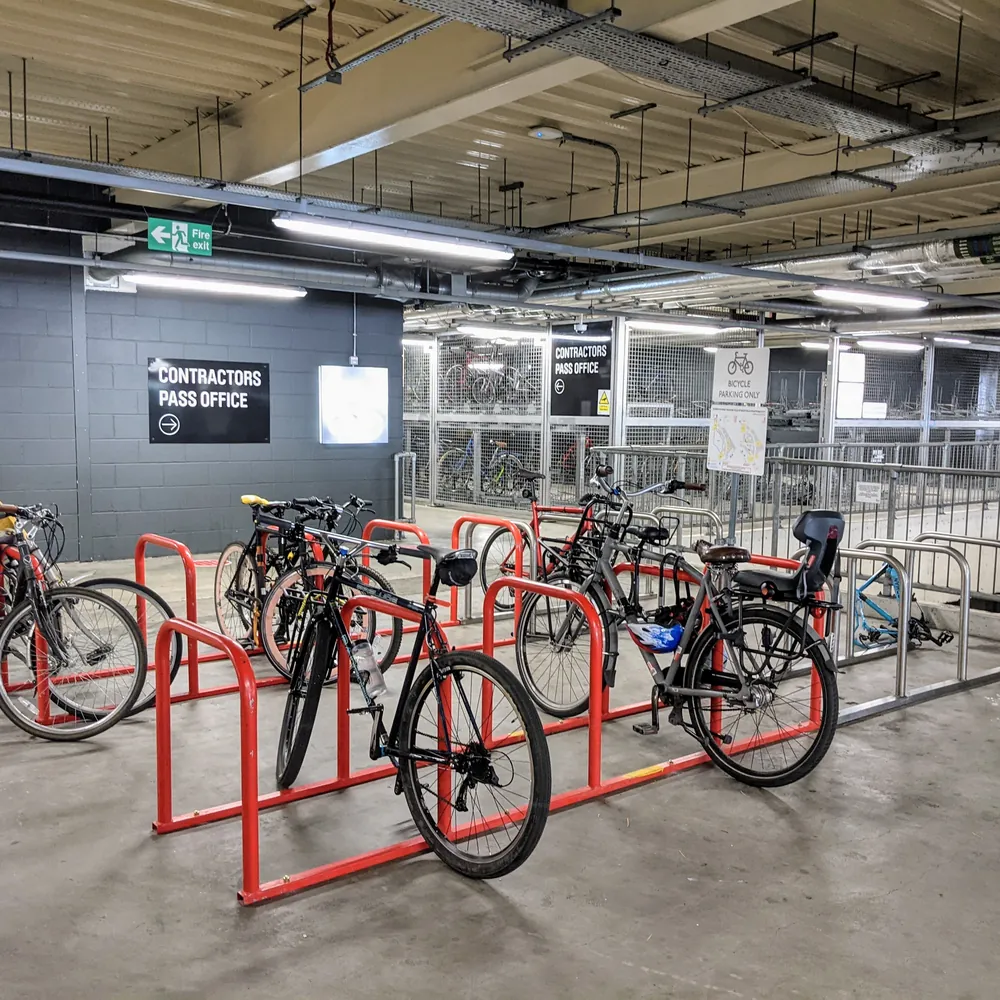
  2. Staff bike parking with red racks inside a workplace car park.

    A model that fits

    Who pays, how access works, how many docks to start with.

  3. A member of the Mosa team talking with a client as they walk through an office.

    A quote

    A clear price for that model, for you to take to whoever signs off.

Tell us about your site ↓

Tell us about your site.

Where it is and roughly how many bikes. We’ll come back with what would work there.

Your site

Prefer email? Write to hello@mosainnovations.com.

Supported by